How Much Does a Dust Extraction System Cost?

It’s one of the first questions any business asks when they start looking into dust extraction — and it’s also one of the hardest to answer with a single figure. The honest answer is: it depends. A dust extraction system isn’t an off-the-shelf product with a fixed price tag; it’s a piece of engineering designed around your specific machinery, your dust type, and how your site operates. Two businesses in the same industry can end up with very different systems, and very different costs, depending on what they actually need.

This article explains what really drives the cost of a dust extraction system, gives a realistic sense of the range you might expect, and explains why Air Plants designs every system from scratch rather than selling a generic package.

Why There’s No Fixed Price

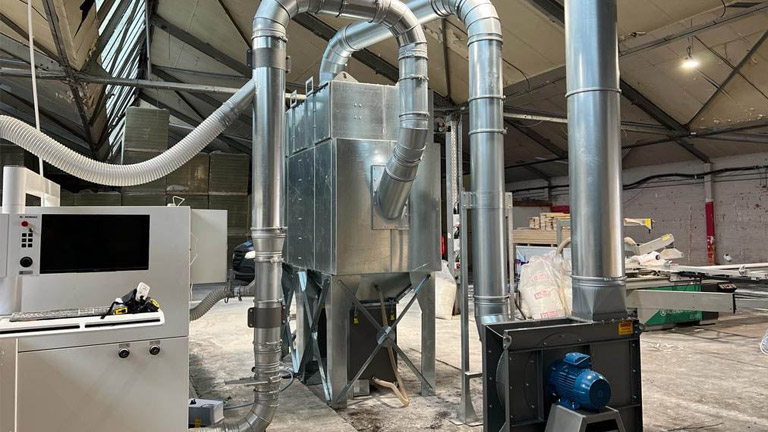
A dust extraction system has to be designed around the specific mix, type and use of machinery it’s extracting from. The right system for a single-machine joinery workshop looks nothing like the right system for a multi-line furniture manufacturer running dozens of machines across several shifts. Because of this, cost is driven by design requirements rather than a standard price list:

  • Number and type of machines connected to the system — more connection points and larger machines generally mean a bigger system
  • Type of dust or waste being extracted — fine dust, coarse chips, and combustible dust all place different demands on filtration and ducting
  • Required air volume and duct sizing — calculated specifically for your machinery and layout, not assumed
  • Operating pattern — single-shift or continuous, multi-shift operation affects the filter cleaning system and build quality required
  • Site layout and installation complexity — ducting runs, available space, and whether equipment is sited internally or externally
  • Combustibility and ATEX requirements — combustible dusts require ATEX-rated construction and explosion protection, which adds to specification and cost
  • Controls, automation and energy-saving features — from basic on/off operation through to demand-driven fan control and monitoring

What Does This Mean in Practice?

Generally speaking, cost rises with the size and number of machines being served — a large factory running many big machines will need a bigger, more capable system than a small workshop with one or two. But size isn’t the only factor: a smaller site with particularly demanding machinery, combustible dust, or complex ducting requirements can still need significant investment, while a straightforward single-machine setup can be relatively modest.

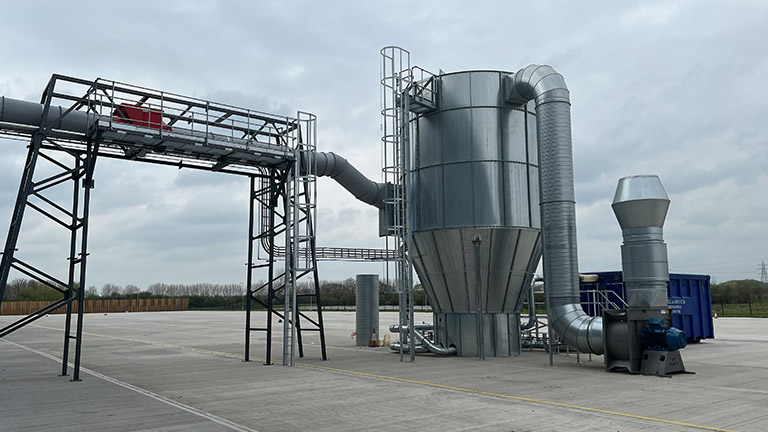
To give a realistic sense of scale, Air Plants has designed and installed systems ranging from around £5,000 + VAT for a simple system serving a small joinery workshop, right up to multi-million-pound installations for large manufacturers running extensive production lines. The vast majority of businesses fall somewhere between these two extremes — but where exactly depends entirely on what your site actually needs.

Why We Design Every System From Scratch

Because no two sites are the same, Air Plants doesn’t offer a generic, off-the-shelf dust extraction package. Every system we design and install is engineered specifically for the job it needs to do — sized, specified and built around your machinery, your dust type, and your operation, rather than a standard specification we try to make fit.

This means you never pay for capacity or features you don’t need, and you can be confident the system you end up with will actually perform to the standard your business — and your legal compliance — requires.

Get an Accurate Cost for Your Business

The only way to get a genuinely accurate cost for your dust extraction system is to have it properly designed for your site. That’s why Air Plants offers a free design engineering service — our engineers survey your site, understand your machinery and process, and provide a design and quotation tailored specifically to your business, at no obligation.

Design Your System